Topsoil Spreading for Healthy Growth
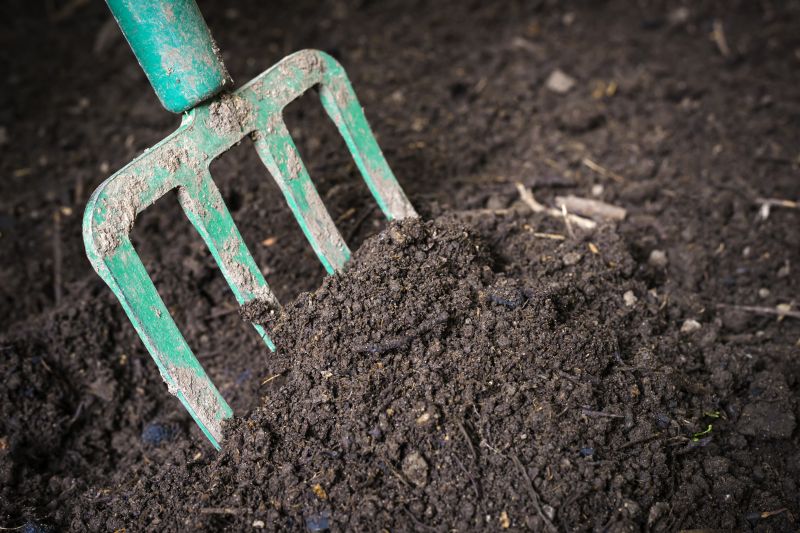
Spring is ideal for topsoil spreading due to moderate temperatures and active soil preparation.
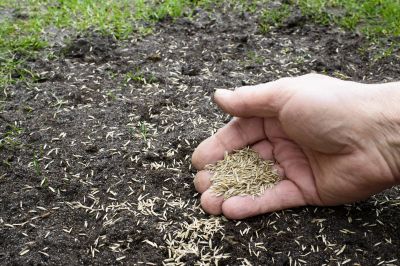
Summer spreading requires attention to moisture levels to prevent soil drying out.
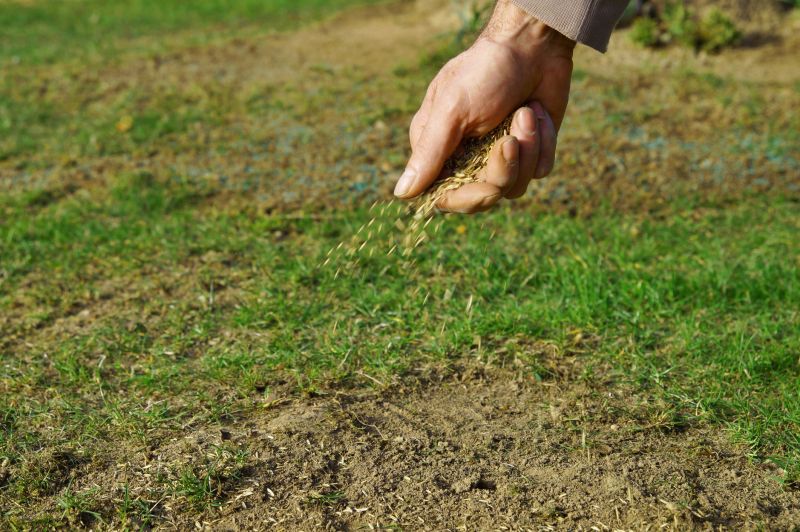
Fall allows for soil settling before winter, supporting healthy plant growth in the following season.
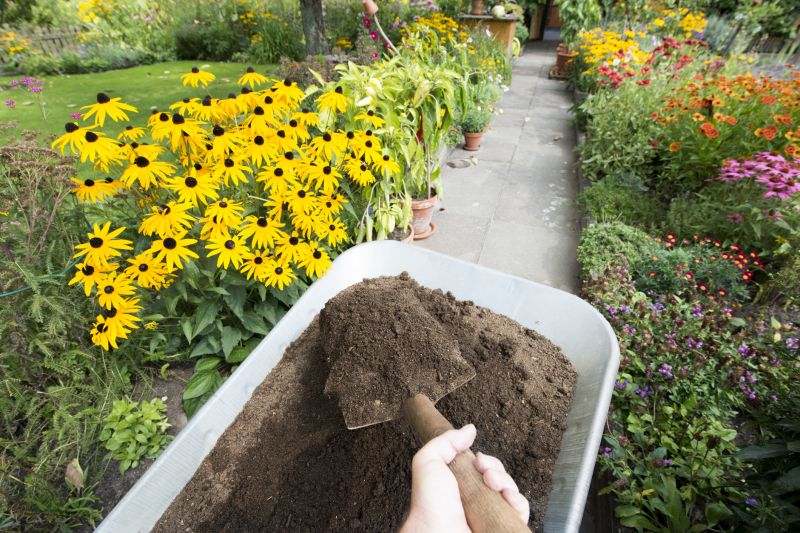
Ways to make Topsoil Spreadings work in tight or awkward layouts.
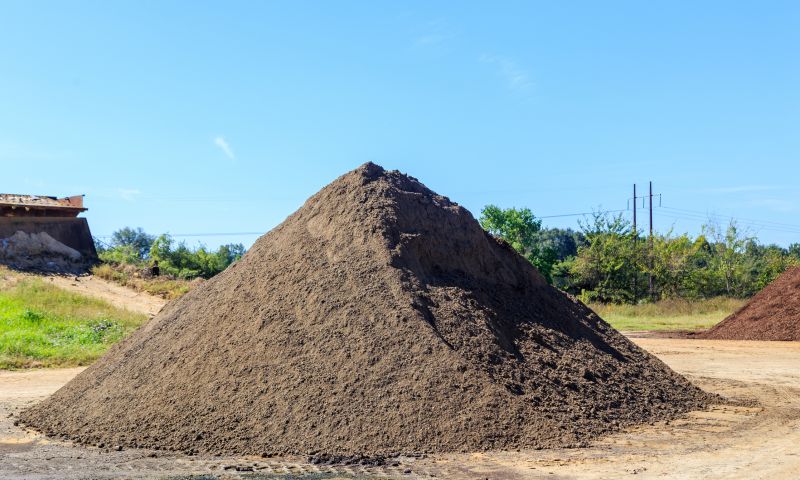
Popular materials for Topsoil Spreadings and why they hold up over time.
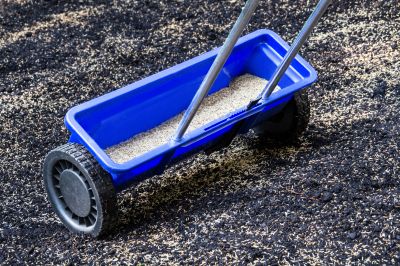
Simple add-ons that improve Topsoil Spreadings without blowing the budget.
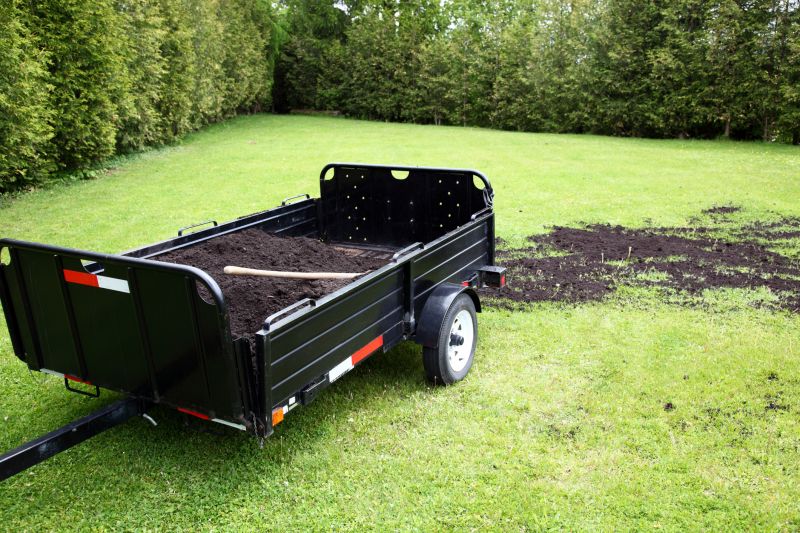
High-end options that actually feel worth it for Topsoil Spreadings.
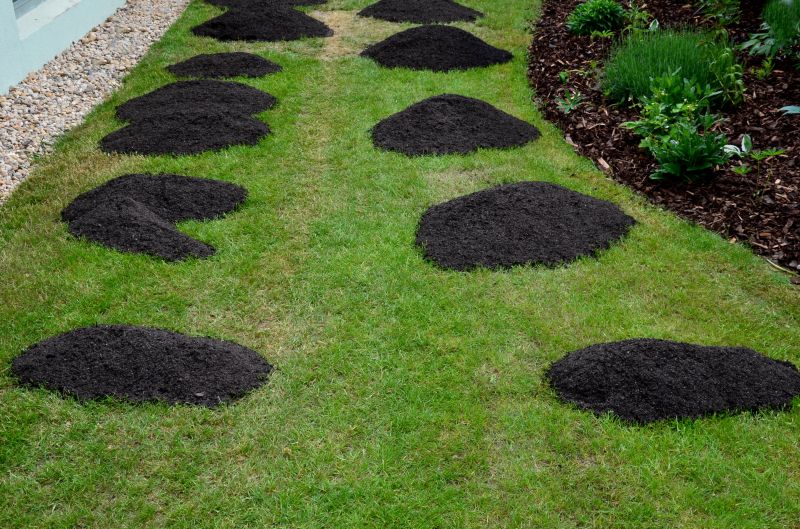
Finishes and colors that play nicely with Topsoil Spreadings.
Topsoil spreading involves distributing nutrient-rich soil over existing ground to improve fertility and support plant growth. Proper timing ensures optimal soil integration and plant health. The process is widely used in landscaping, gardening, and agricultural applications to enhance soil quality and promote healthy vegetation.
Research indicates that spreading topsoil during the appropriate season can increase plant establishment success by up to 30%. Timing also impacts soil moisture retention, erosion control, and nutrient availability. Spring and fall are generally considered the most favorable periods for topsoil application due to favorable weather conditions and soil temperature ranges.
Supports early plant growth and soil stabilization after winter.
Prepares soil for winter dormancy and promotes healthy root development.
Ideal conditions include moderate temperatures and minimal rainfall.
Ensure proper leveling and removal of debris before spreading.
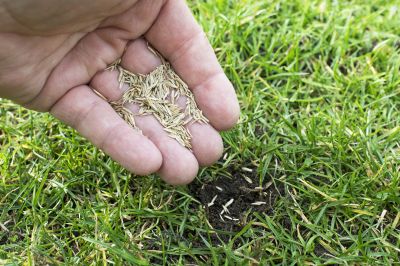
Optimal for establishing new lawns and gardens.
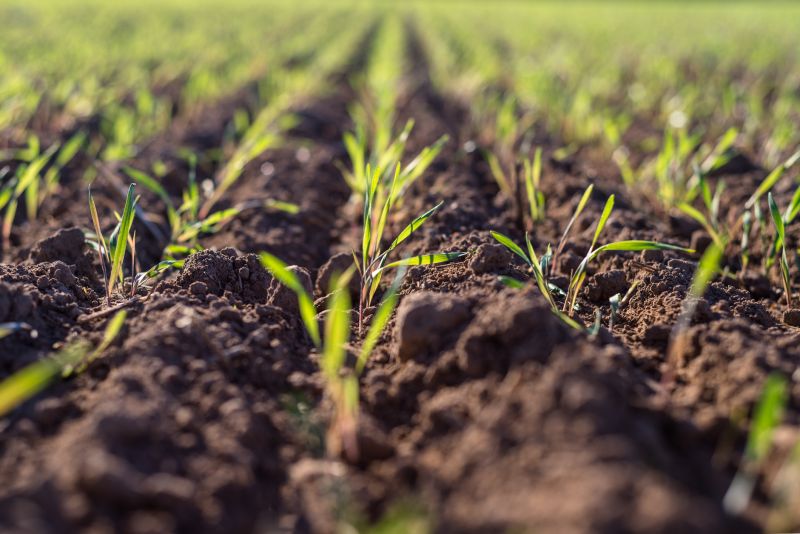
Helps in winterizing landscapes and preparing for spring planting.
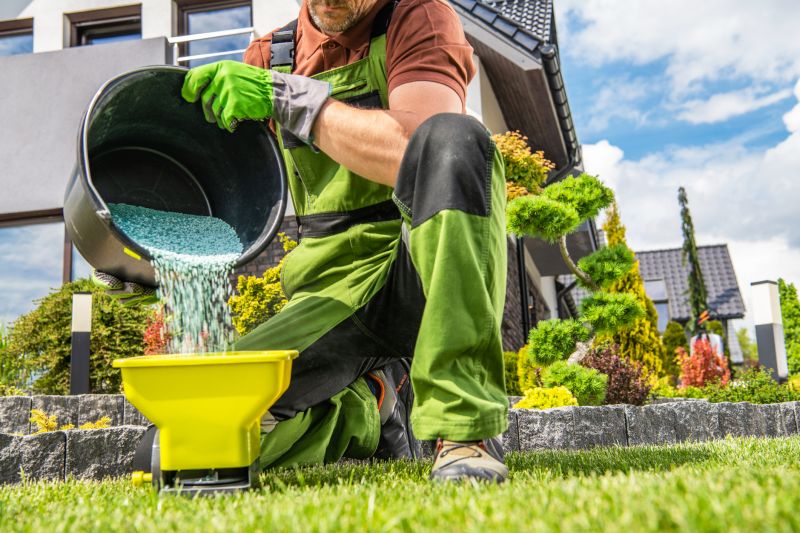
Requires careful moisture control for successful application.
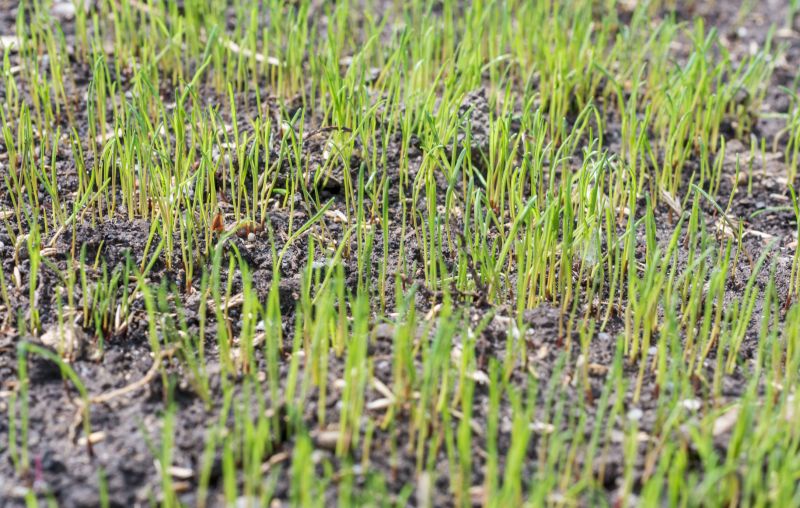
Includes watering and light tilling to integrate topsoil effectively.
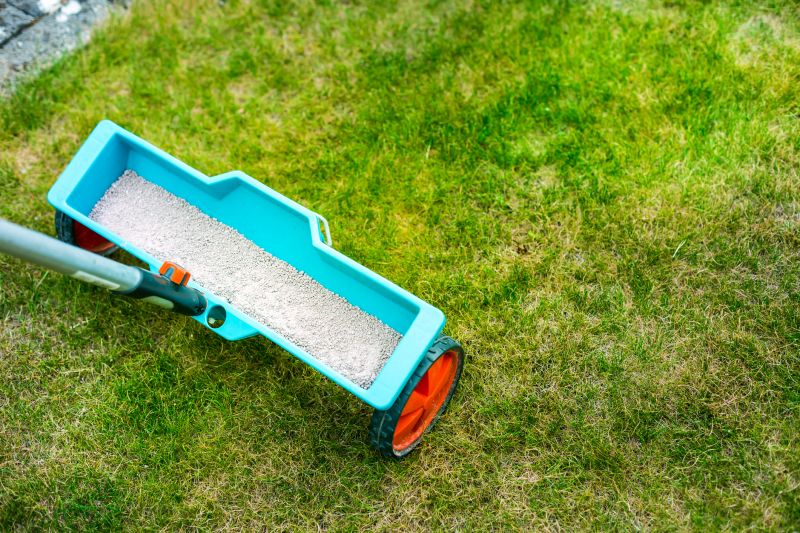
Little measurements that prevent headaches on Topsoil Spreadings day.
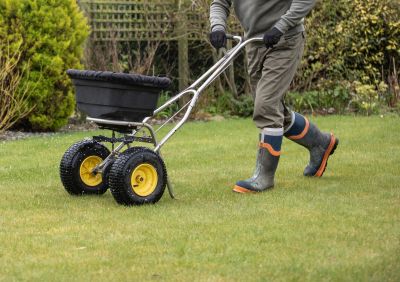
A 60-second routine that keeps Topsoil Spreadings looking new.
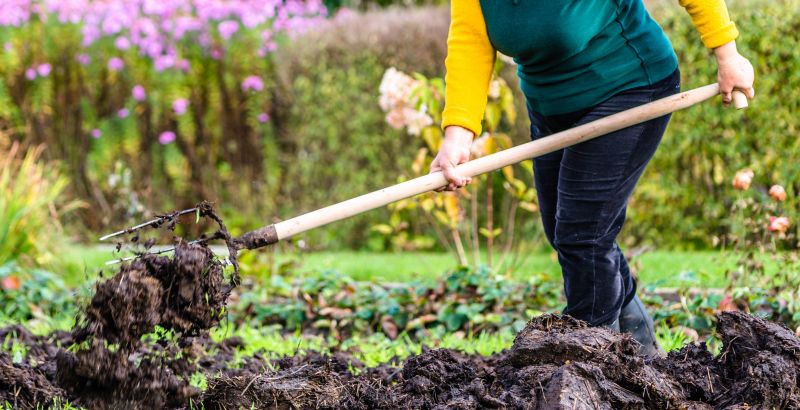
A frequent mistake in Topsoil Spreadings and how to dodge it.
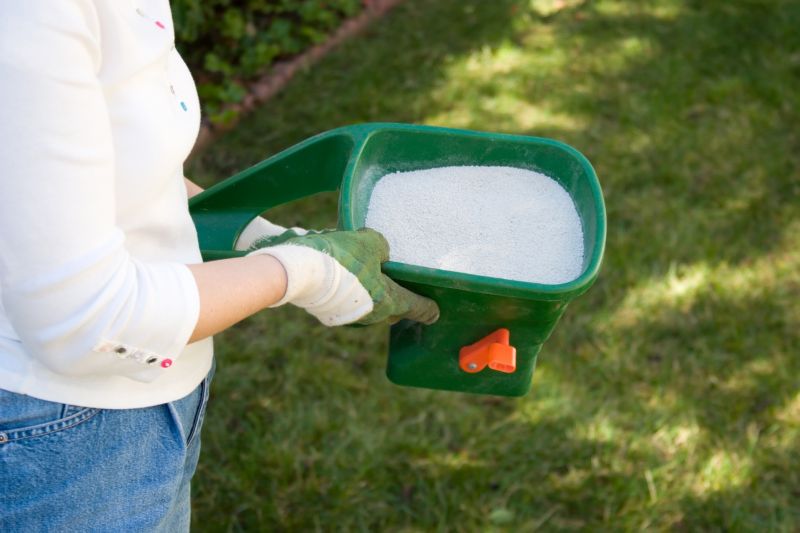
Small tweaks to make Topsoil Spreadings safer and easier to use.
| Season | Best Practices |
|---|---|
| Spring | Apply after the last frost, when soil is workable and temperatures are rising. |
| Summer | Spread during early morning or late evening to avoid heat stress. |
| Fall | Spread before the first frost, allowing soil to settle before winter. |
| Winter | Not recommended due to frozen ground and limited plant activity. |
| Pre-planting | Ensure soil is moist and free of weeds before spreading. |
| Post-harvest | Apply to improve soil fertility for the next planting cycle. |
Timing of topsoil spreading plays a crucial role in landscape and agricultural success. Properly scheduled applications can lead to improved soil structure, better nutrient retention, and enhanced plant growth. The choice of season should consider local climate conditions, soil temperature, and moisture levels to maximize benefits.
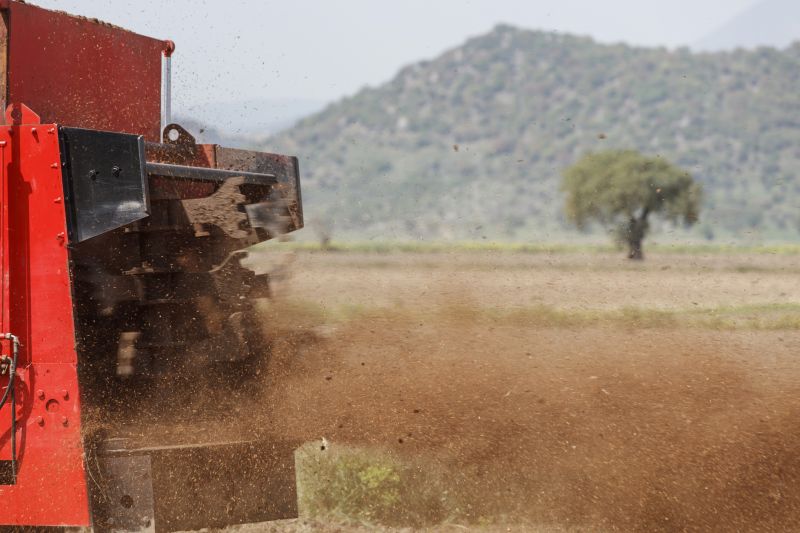
Utilizes specialized machinery for even distribution.
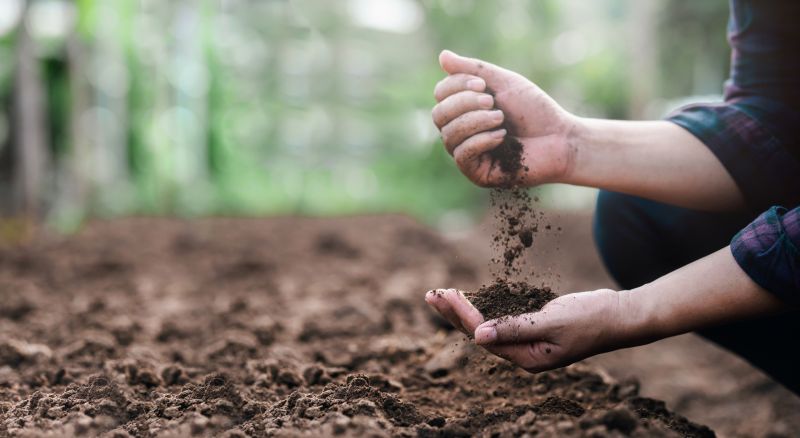
Achieved through timely application and proper soil management.
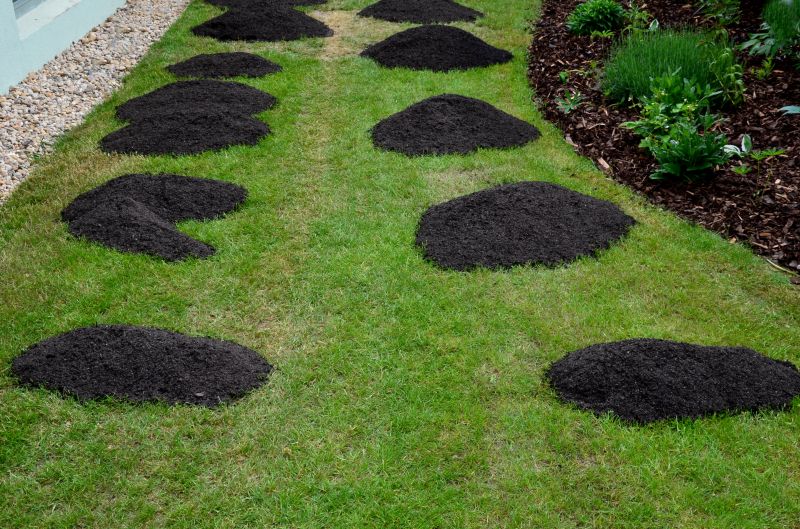
Topsoil spreading enhances aesthetic appeal and soil health.
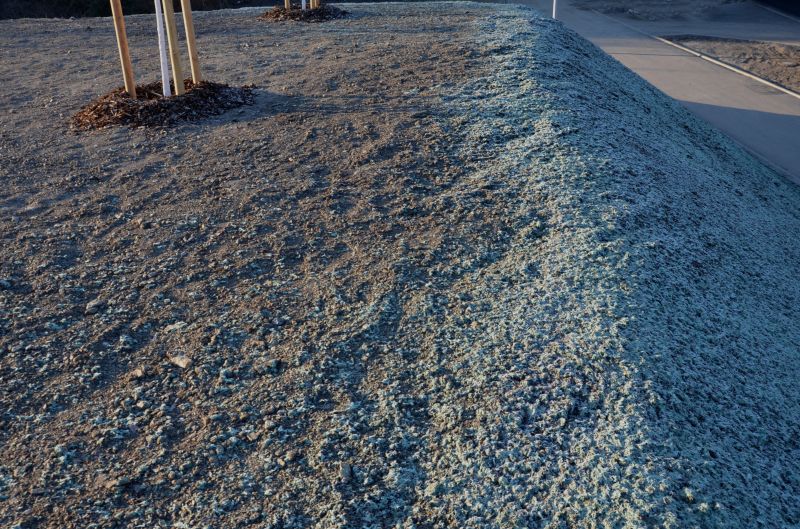
Proper timing reduces soil displacement during weather events.
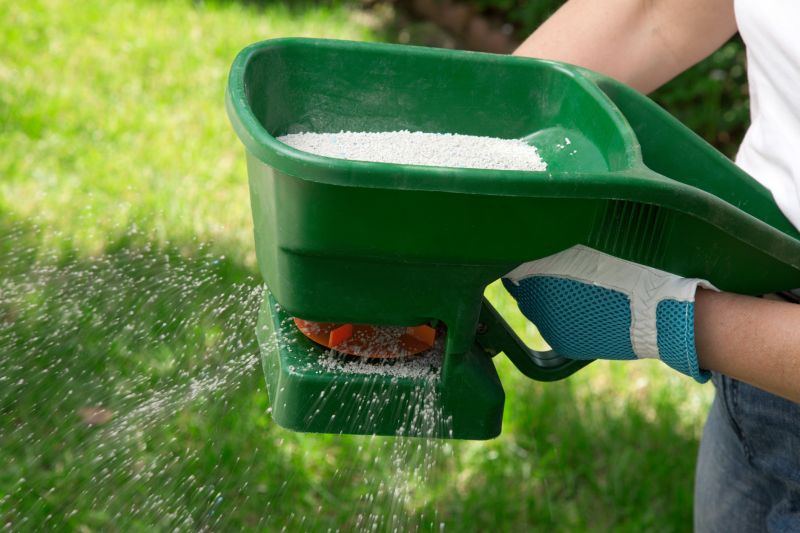
Lower-waste or water-saving choices for Topsoil Spreadings.
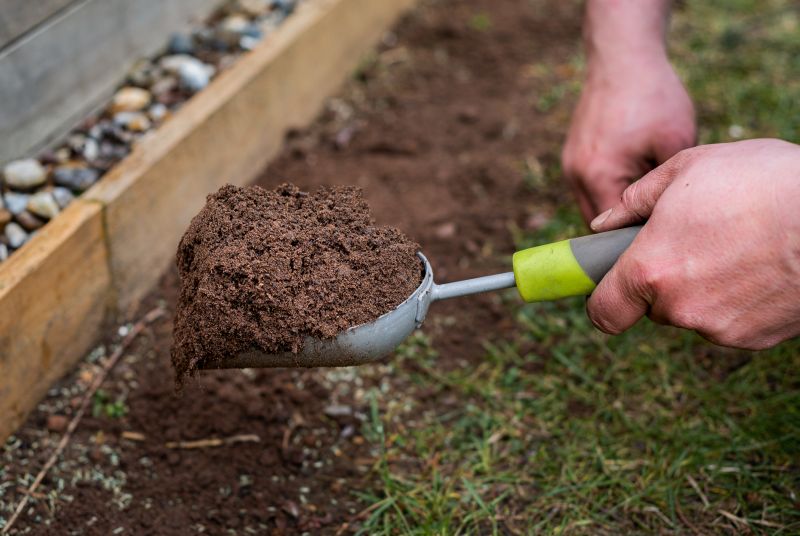
The short, realistic tool list for quality Topsoil Spreadings.
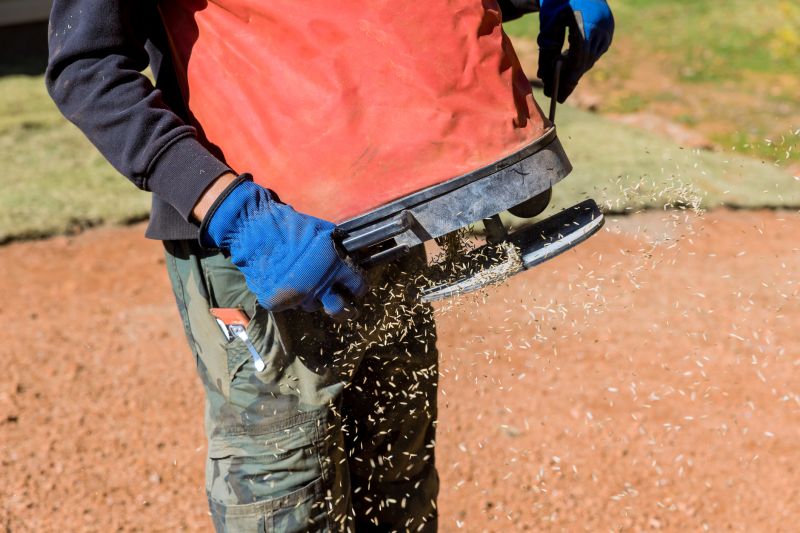
Rough timing from prep to clean-up for Topsoil Spreadings.
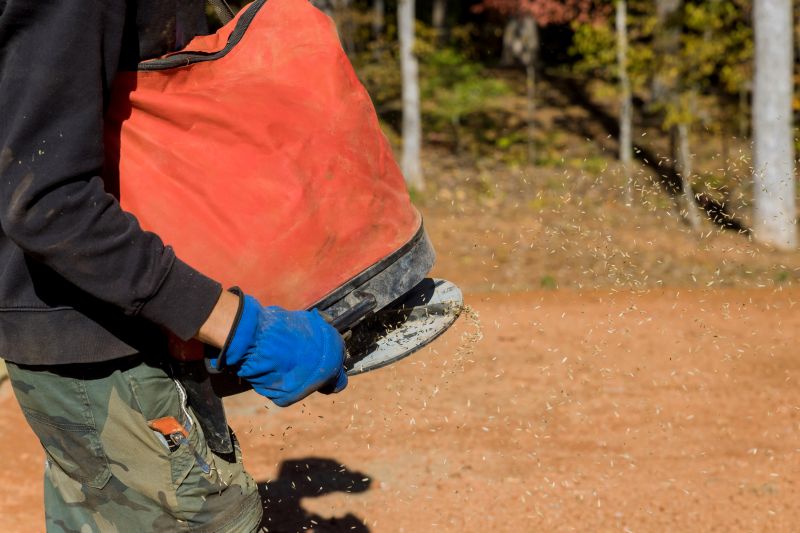
Quick checks and paperwork to keep after Topsoil Spreadings.
Interested in scheduling topsoil spreading for your landscape or project? Filling out the contact form can provide tailored guidance based on specific site conditions and goals.